
Wildlife and Wilderness
WILDLIFE NEED WILDERNESS
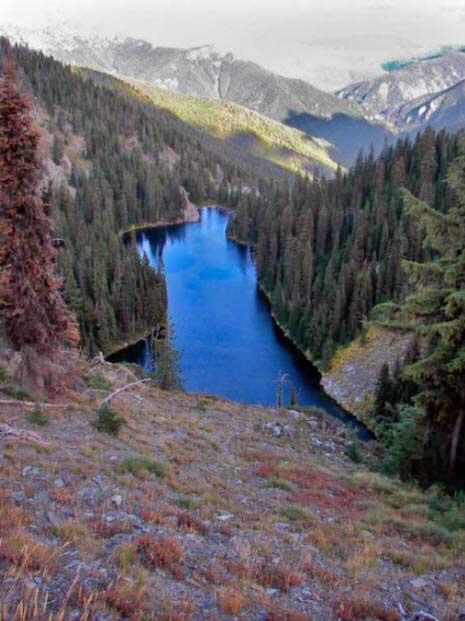
Threatened grizzly bears, though rarely seen, still wander the entire expanse of the Cabinet Mountain, with the greatest number occurring in the western portion along the Montana/Idaho border. In recent years, the range of the great bear has shrunk in the Cabinet Mountains because of loss of habitat and encroaching civilization. Two copper/silver mines proposed for the Cabinet Mountains Wilderness could impact over 35,000 acres of the bears already limited habitat. Numerous other small mining projects in the region would further isolate the bear and sever essential travel corridors.
The threatened lynx can still be seen in the Cabinet Mountains, but the loss of habitat is beginning to have a significant impact on the region’s population. The wolverine and fisher also find a home in the Cabinet Mountains, but their elusive nature, habitat loss, and trapping are causing these species to become increasingly rare. Less than 200 wolverines survive in Montana and only a handful remain in the Cabinet Mountains. In 2023, the US Fish and Wildlife Service, under court order, listed the wolverine as threatened.

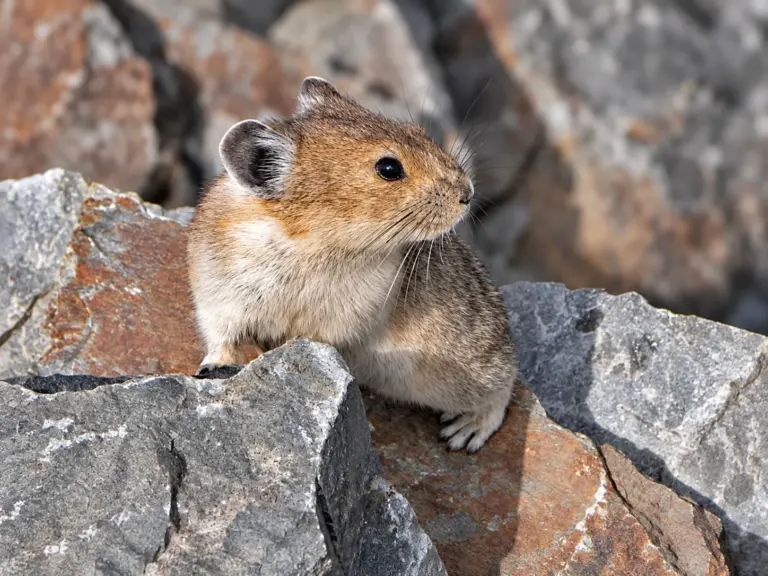
The Pika: A Tiny Survivor of the High Mountains
The pika has been described as the cutest mammal in the world. Weighing about 5 ounces, it has a hamster-like body, and the face of a rabbit. Although superficially appearing to be a rodent, pikas are not related to rodents. Rather, they are members of the mammalian Order Lagamorpha that
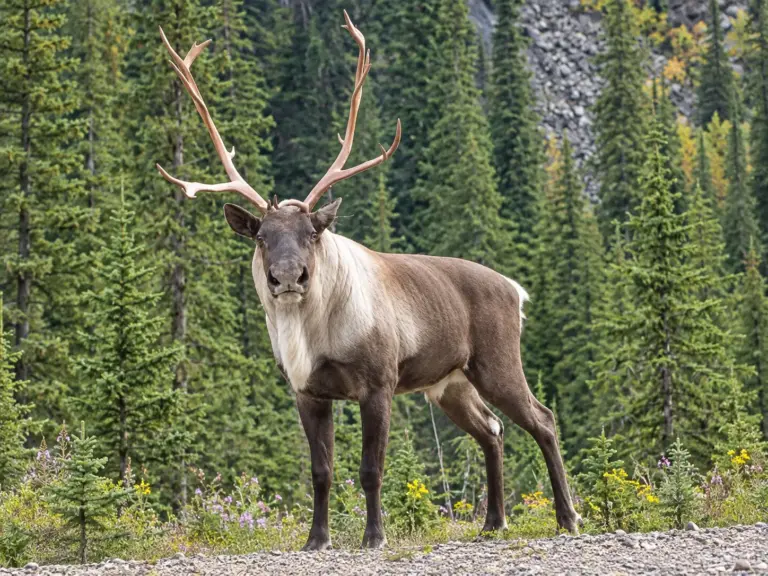
The Plight of the Woodland Caribou of northern Idaho
Caribou are beautiful, antler-bearing animals. They are the only member of the family Cervidae in which both the male and female of the species produce antlers, which they periodically shed and re-grow. Their hooves balloon to the size of dinner plates during the winter to help the caribou walk on
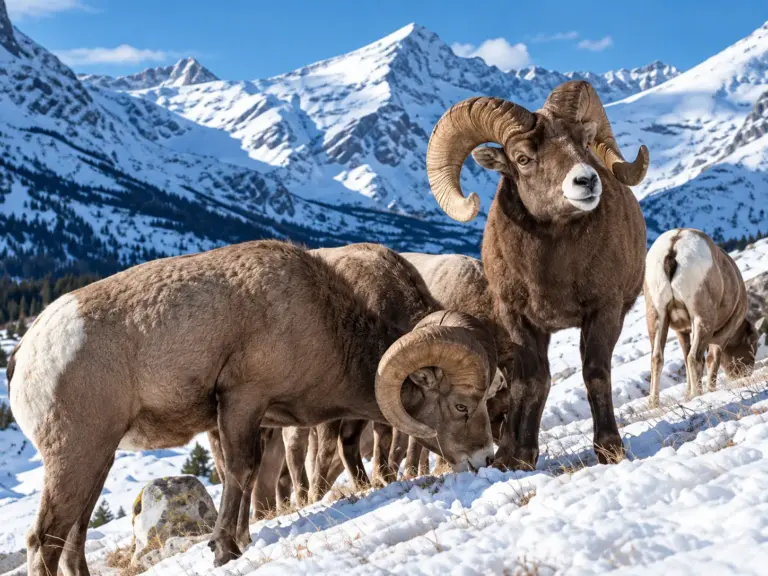
Slow down for the bighorn sheep
The stretch of highway between the small Montana communities of Thompson Falls and Plains is known for the beautiful vistas of the Clark Fork River and the surrounding mountains and cliffs. The drive is also recognized for a resident bighorn sheep herd that is frequently seen along Highway 200 east